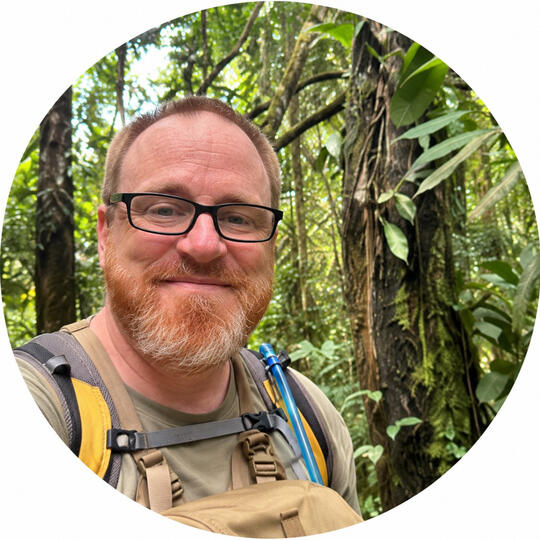
Brian D. Horne
International Conservation Strategist & Biologist
About
I started my career as a field biologist, and that is still where I feel most at home. Freshwater turtles and tortoises have fascinated me since early childhood, and I have spent much of my life looking for them in rivers, forests, and wetlands, often in places that are hot, buggy, muddy, rainy, and sun-scorched. I still love muddy boots and the satisfaction of spending a long day in the field trying to understand animals in their natural environment.That fascination led me into wildlife conservation. I have worked on species recovery efforts around the world, studying threatened populations, building partnerships, and helping decide where limited time, money, and attention can make the greatest difference. As my career expanded beyond field biology, I became increasingly interested in the assumptions behind the decisions we make in conservation biology.Why do we wait until a species is in crisis before acting? Why does rarity command attention more readily than vulnerability? Why is preventing extinction so often treated as success rather than the beginning of recovery? And what happens when conservation becomes so accustomed to scarcity that mere survival starts to feel like an acceptable endpoint?Those questions are at the heart of Beyond Survival, where I write about abundance, recovery, prevention, strategy, and the choices that determine what we notice, value, fund, and ultimately try to save.
CONSERVATION
Global Turtle Conservation Portfolio
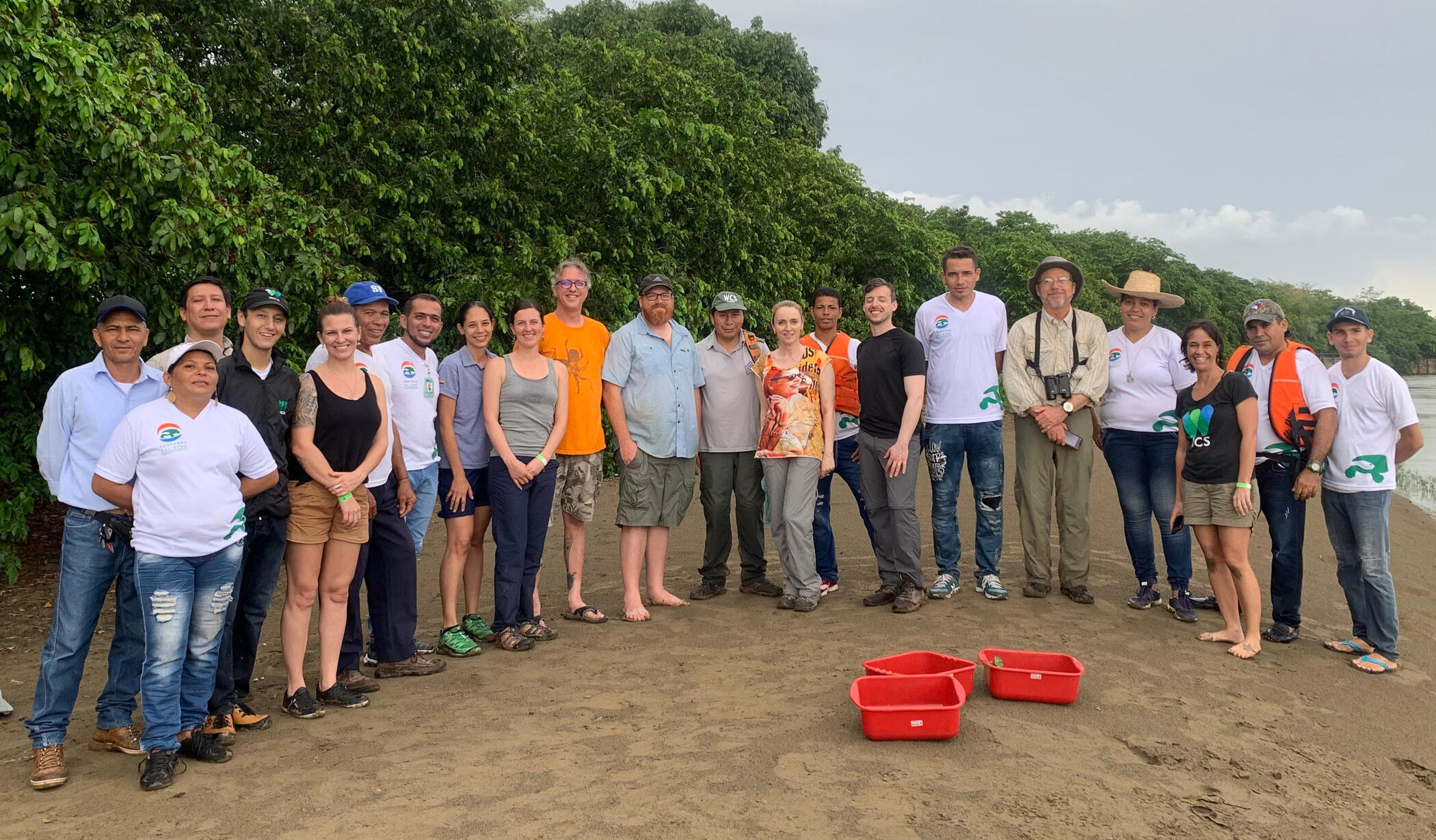
For more than a decade at the Wildlife Conservation Society, I helped build and lead a global conservation program for freshwater turtles and tortoises. The work stretched across Asia, Africa, and Latin America and included species recovery, field research, habitat protection, trade, and partnerships with conservationists working in some of the places where turtles were disappearing fastest.Managing that portfolio changed how I thought about conservation. The challenge was never simply identifying species in trouble. It was deciding where we could make a meaningful difference, what interventions were likely to work, and how to balance urgent needs against opportunities to prevent the next crisis.
Asian Turtle Conservation Strategy
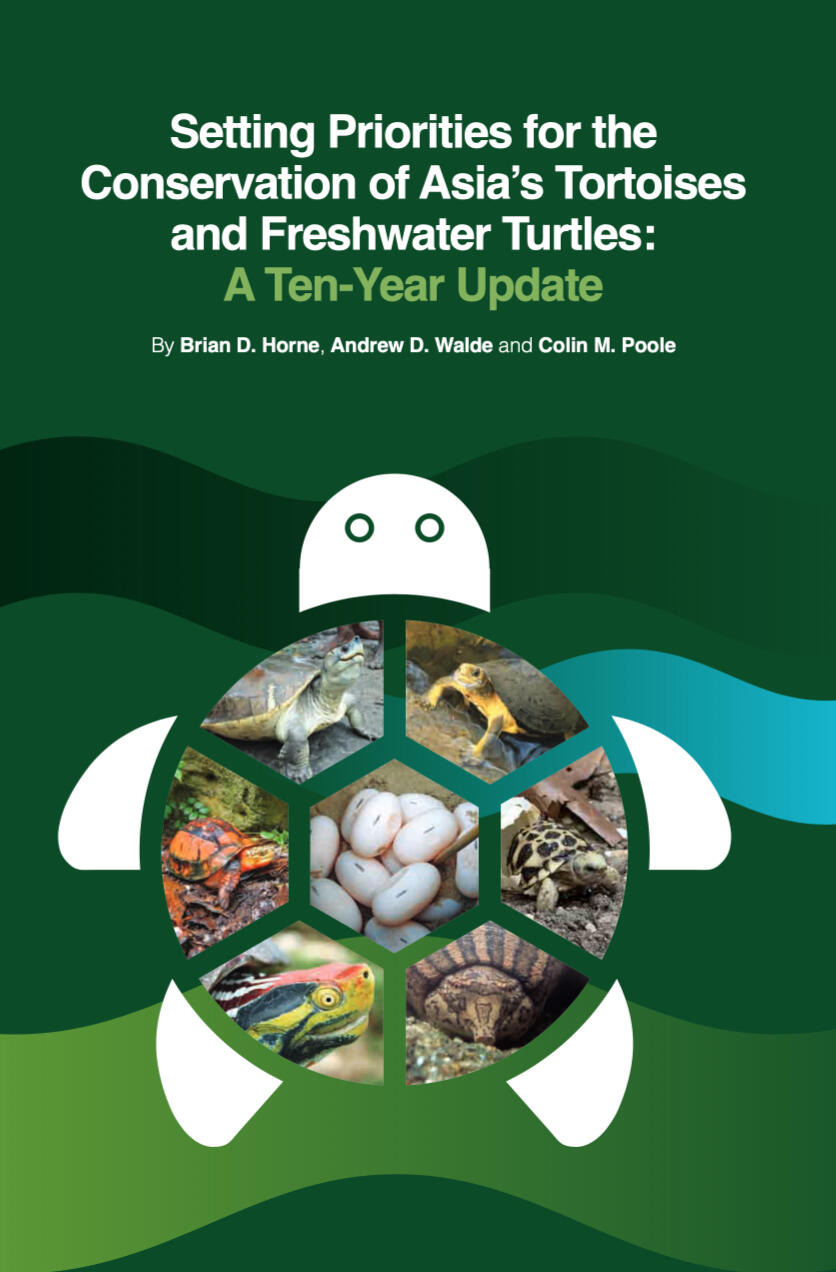
In 2011, I helped lead an effort to identify conservation priorities for Asia’s tortoises and freshwater turtles. A decade later, we returned to that work to ask what had changed, where progress had been made, and which species and places still required urgent attention. The resulting strategy brought together knowledge from conservationists across the region to provide a shared framework for action.The process reinforced something that has shaped much of my thinking about conservation: knowing which species are threatened is not the same as knowing what to do about it. Effective strategy requires deciding where action can make a difference, what that action should look like, and how limited resources can be directed toward both immediate crises and longer-term recovery.
Cambodia: From Nest Protection to Recovery
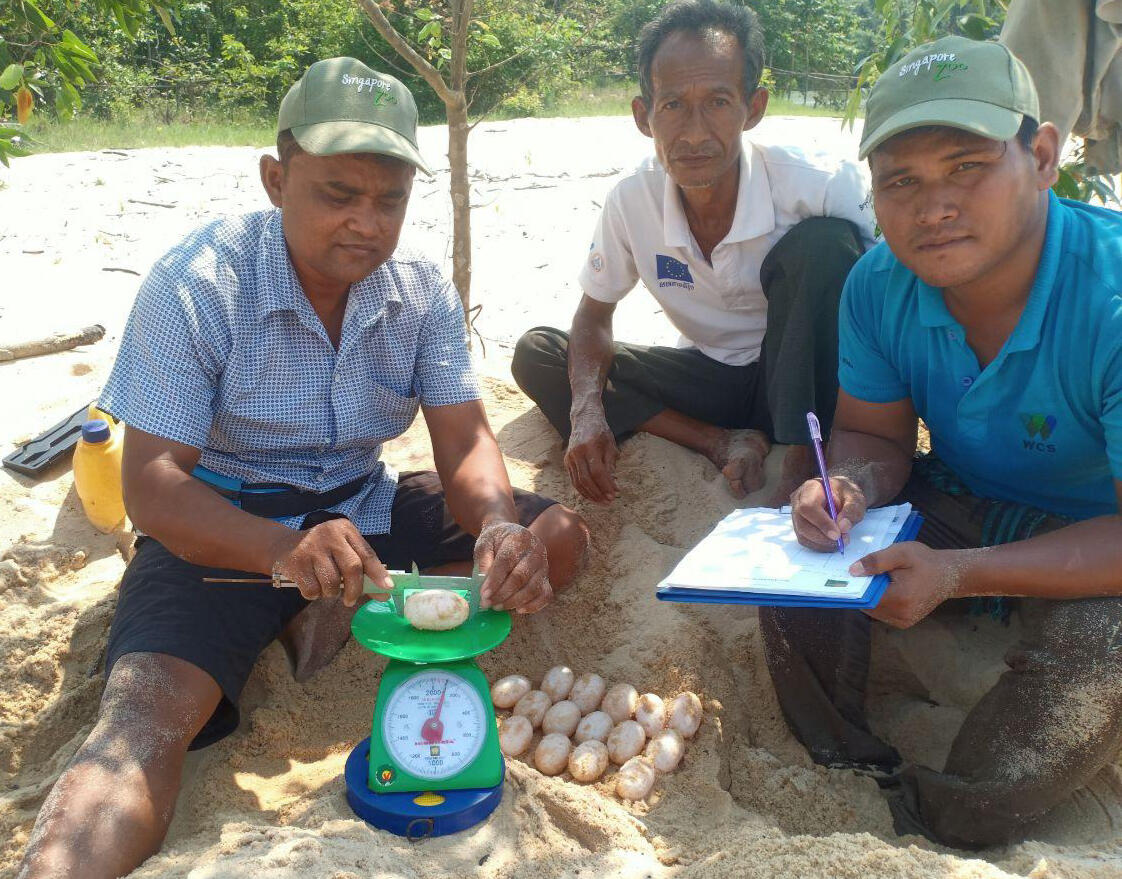
Our work in Cambodia began with documenting the last nesting females of the Southern River Terrapin and protecting their nests. But protecting nests was only the beginning. We developed a plan for the turtles’ recovery: building facilities and local capacity to head-start hatchlings, improving survival after release, and working closely with communities so turtles caught incidentally in fishing gear were released rather than eaten or sold.As the program grew, research became central to deciding what to do next. Studies of the movement and survival of head-started turtles helped identify the habitats they depended on and provided evidence needed to protect key areas from illegal sand mining. The long-term goal was not simply to keep releasing turtles, but to rebuild the wild population until it could eventually become self-sustaining and no longer depend on a head-starting program.
Manouria in Sabah:
Finding a Species We Rarely See
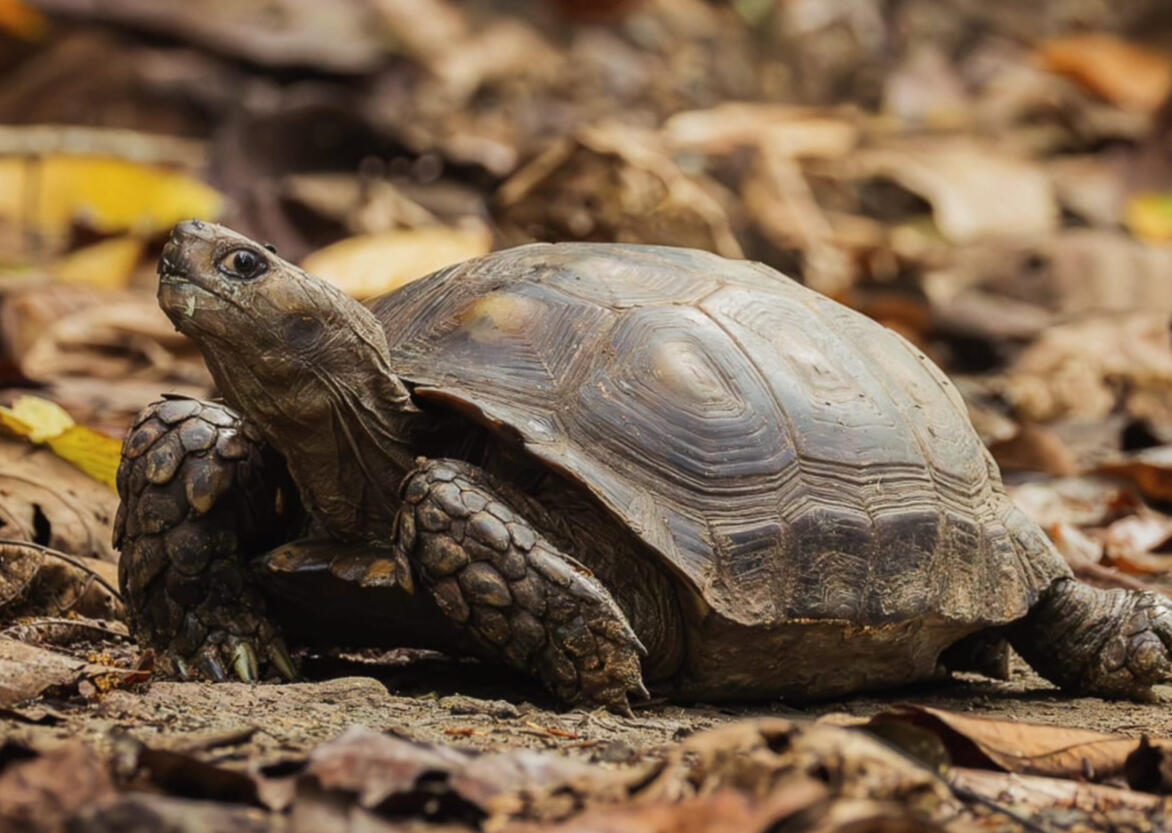
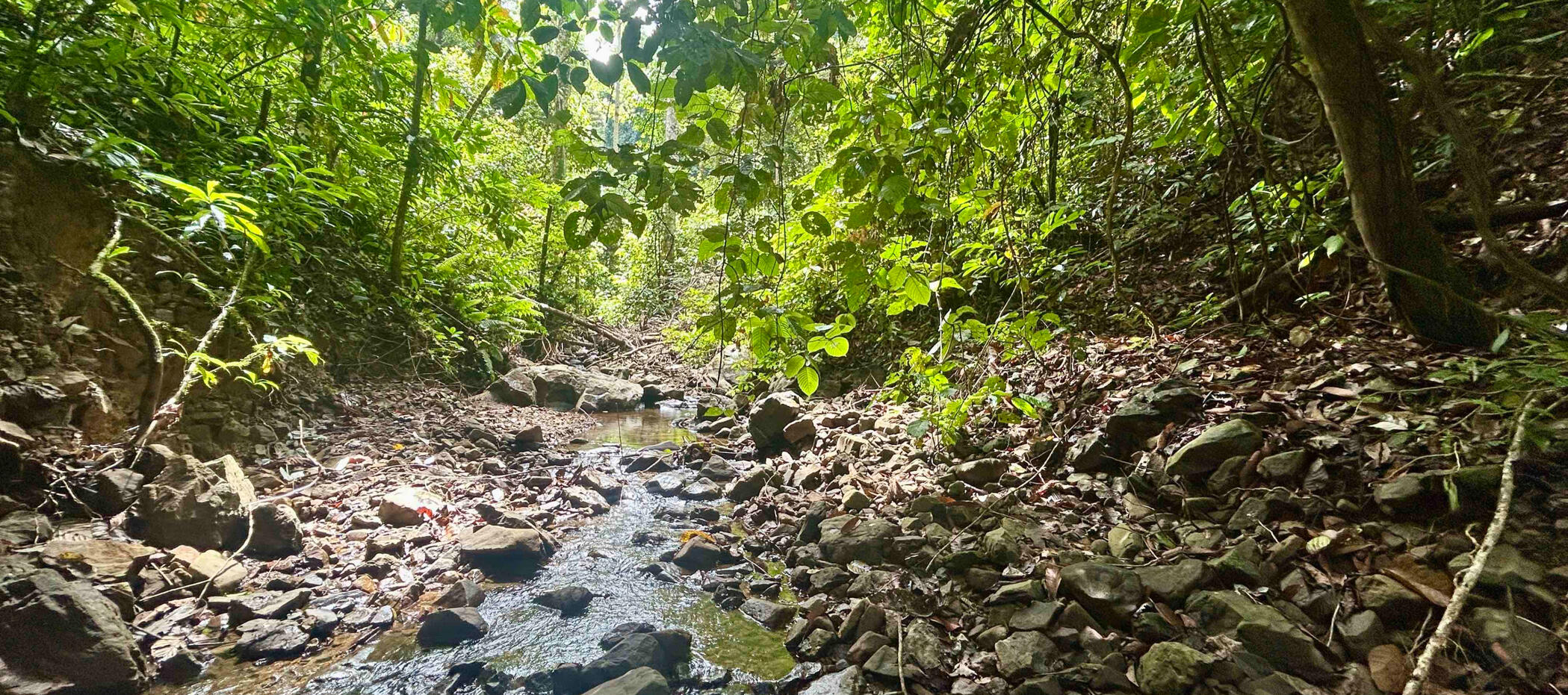
Despite its large size, the Asian forest tortoise (Manouria emys) remains remarkably difficult to find in the dense rainforests of Southeast Asia. The species appears in wildlife trade far more frequently than scientists have documented it in the wild. That contrast raises a fundamental problem: we are trying to conserve a species about which we still know surprisingly little.Our work in Sabah, Malaysia, is designed to close some of those gaps. We are developing survey methods for finding the species across large areas of rainforest and using telemetry to understand its movements, habitat use, and spatial ecology. The challenge is not simply learning more about a poorly known species, but developing the information needed to make better decisions about its conservation.
WRITING
Beyond Survival
Beyond Survival is where I explore some of the questions that have followed me through my career in conservation. Why do we so often wait for species to become rare before acting? What do we lose when scarcity becomes normal? And should keeping a species from disappearing really be the endpoint of conservation?I write about abundance, recovery, prevention, strategy, and the assumptions that shape what conservation notices, values, funds, and ultimately tries to save.
Contact